Featured Homes
As low as 5.9%! Call us for more information: (916) 461-8004
As low as 5.9%! Call: (916) 461-8004

When searching for a home to purchase and exploring housing options, many people encounter terms like manufactured, mobile, prefabricated, and modular homes. These labels are often used interchangeably, but each refers to a specific type of construction with its own standards, benefits, and limitations. Knowing the distinctions can help buyers make informed decisions about affordability, quality, and long-term value.
Mobile Homes
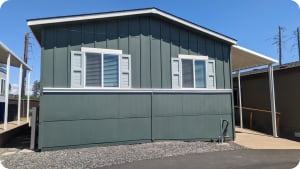
The term mobile home applies only to factory-built homes constructed before June 15, 1976. Prior to this date, there were few federal standards regulating their construction. Mobile homes were built on a permanent chassis, transported to a site, and typically set up in a mobile home park, such as in a Monte Christo community, or on private land. Because mobile homes are over 50 years old, many are being remodeled, updated, or sold to mobile home flippers.
View Our Listings of Mobile Homes (Cash Deals Offers Get Up to 50% Off)
View Our Listings of Updated and Fixer-Upper Mobile Homes
You may hear mobile home communities referred to as “trailer parks” and mobile homes referred to as “trailer homes,” though technically mobile homes are not intended to be moved regularly like a recreational vehicle (RV) or a trailer is (towed behind a vehicle). If you are looking for more information on RV parks and RV living, check out our articles related to RV life here, such as “5 Reasons to Retire to a Long-term RV Park.”
Manufactured Homes
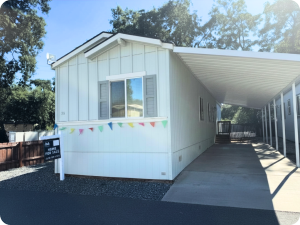
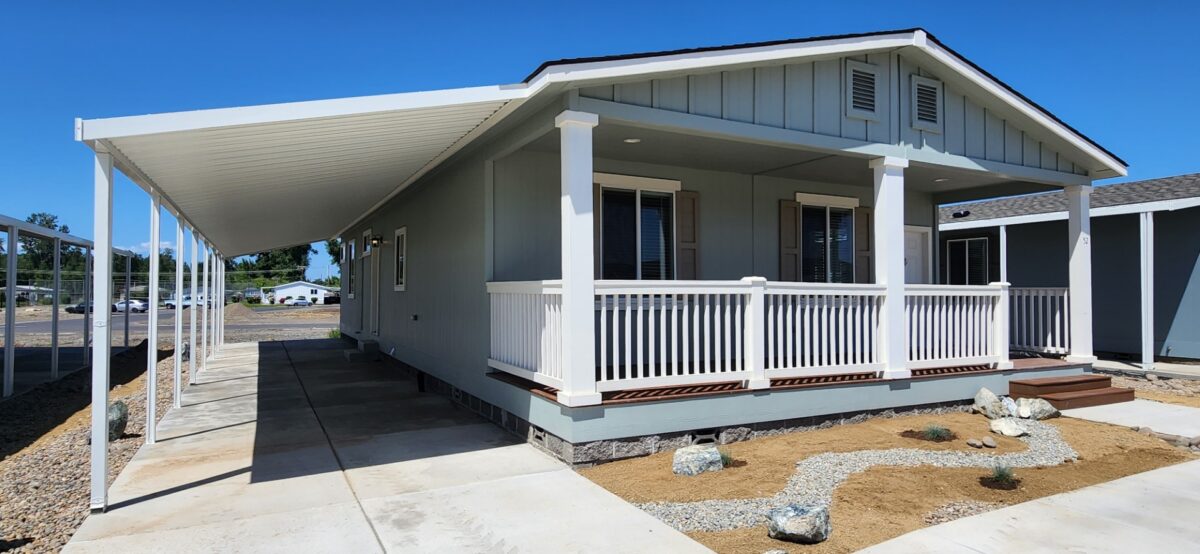
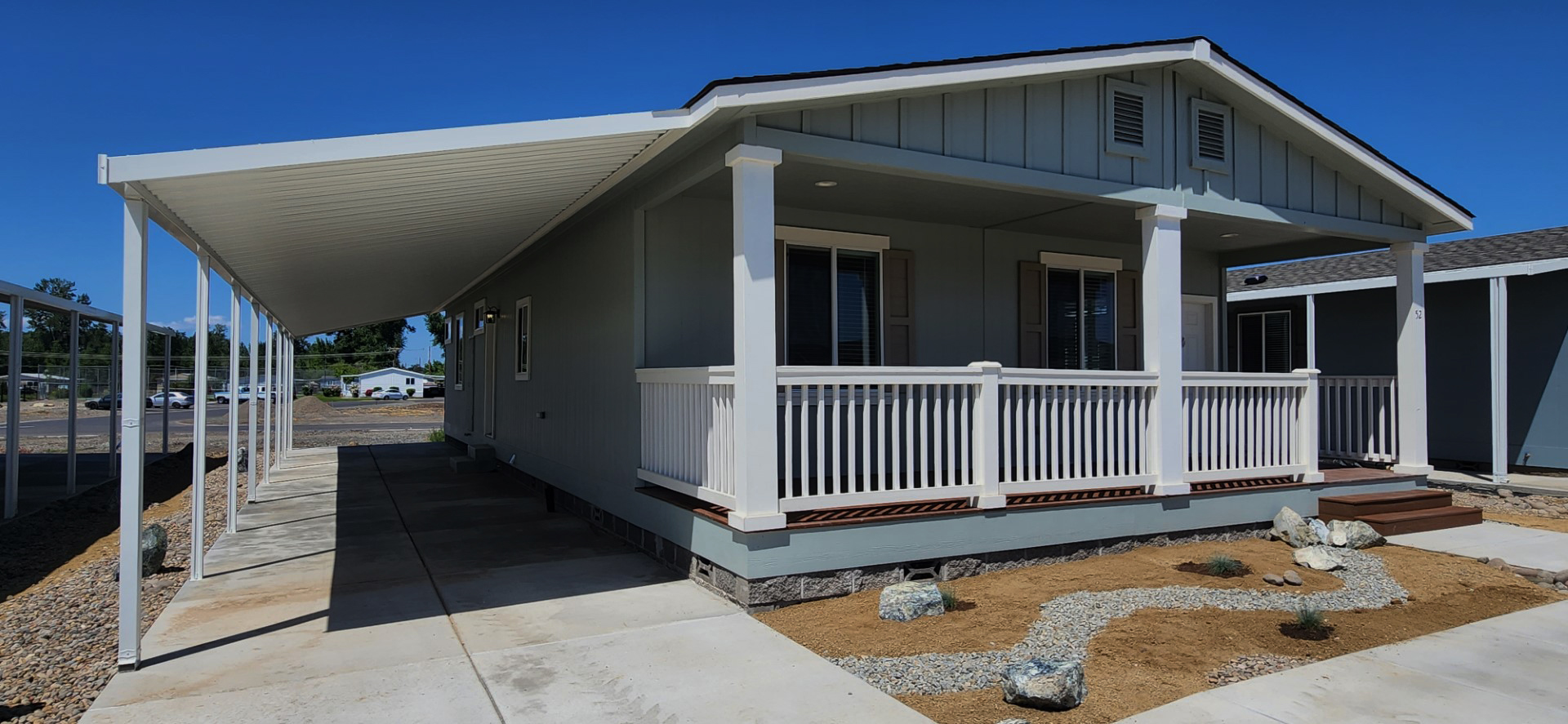
Manufactured homes replaced mobile homes after the 1976 implementation of the HUD Code–federal standards that regulate durability, design, energy efficiency, wind safety, and fire resistance. Like mobile homes, manufactured homes are built on a steel chassis and transported in one or more sections. But unlike their predecessors, they meet strict national construction requirements. These homes can be placed on leased land (such as in a Monte Christo community, which is maintained by on-site staff) or permanently affixed to private property. Modern manufactured homes can be high-quality housing, featuring customizable layouts, modern finishes, and efficient systems. Manufactured homes are often the most affordable form of factory-built housing.
View Our Listings of Newly Built Manufactured Homes
Modular Homes
Modular homes are also built in a factory, but they differ significantly from manufactured homes. Instead of following the HUD Code, modular homes must meet the same local, state, and regional building codes required for traditional site-built houses. During construction, they are assembled in multiple modules or sections and then transported to the building site. Once delivered, the modules are lifted by crane and placed on a permanent foundation. The final product is essentially indistinguishable from a site-built home, also known as a “stick-built home,” in terms of appearance, durability, financing, and long-term value. Modular homes are ideal for buyers who want high-quality construction with faster build times and reduced waste compared to a stick-built home.
Prefabricated Homes
The term prefabricated home is a broader category encompassing both modular and manufactured homes, as well as other types of factory-built components. Prefabricated simply means that major parts of the structure are built off-site in a controlled environment. This can include panelized homes, kit homes, and other factory-assembled elements.
Considerations for Buying a Manufactured Home or Mobile Home
While mobile, manufactured, modular, and prefabricated homes all involve factory construction, they differ in regulatory standards, building methods, and long-term value. Understanding these distinctions can help buyers choose the option for their budget, lifestyle, and expectations for quality and permanence.
Looking to buy a manufactured home or mobile home in the West Coast region? Monte Christo Communities is a steward of mobile home parks, manufactured home communities, and RV parks located throughout the beautiful countryside and urban areas of the West Coast of the U.S. (California, Oregon, Nevada, Washington)
Monte Christo Communities and Casa Park Homes (partner company and leading Clayton manufactured home dealer) share a vision of helping people live life to the fullest by realizing their dream of homeownership. Monte Christo’s caring staff maintain the community and work to ensure you are happy in your home and that the community is clean, safe, and a friendly environment for all to enjoy.
Looking for a prefab home to call your own without the hassle of finding and buying private land or working through the building process? Check out Monte Christo’s communities, which feature mobile homes and manufactured homes for sale and rent.

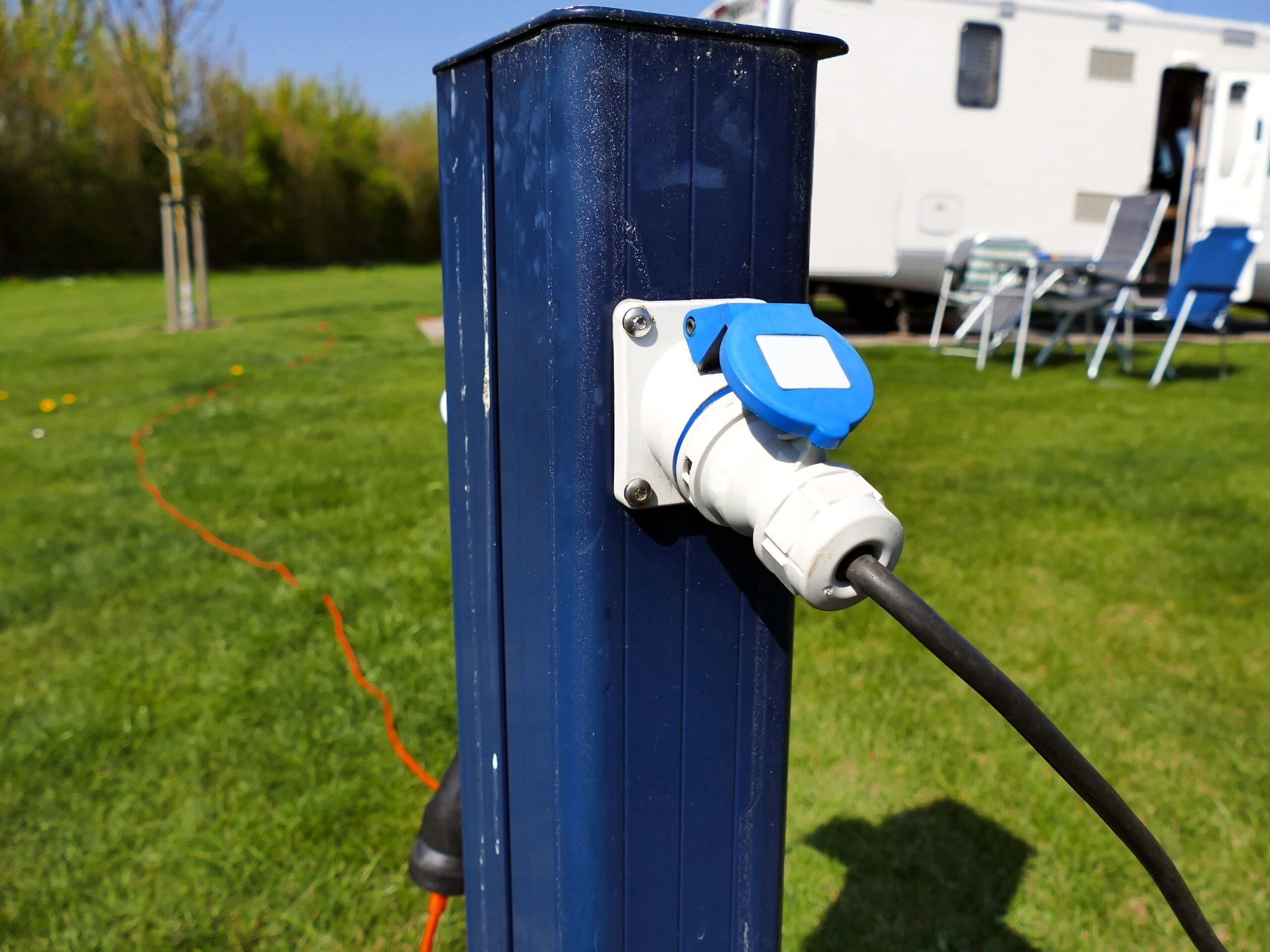
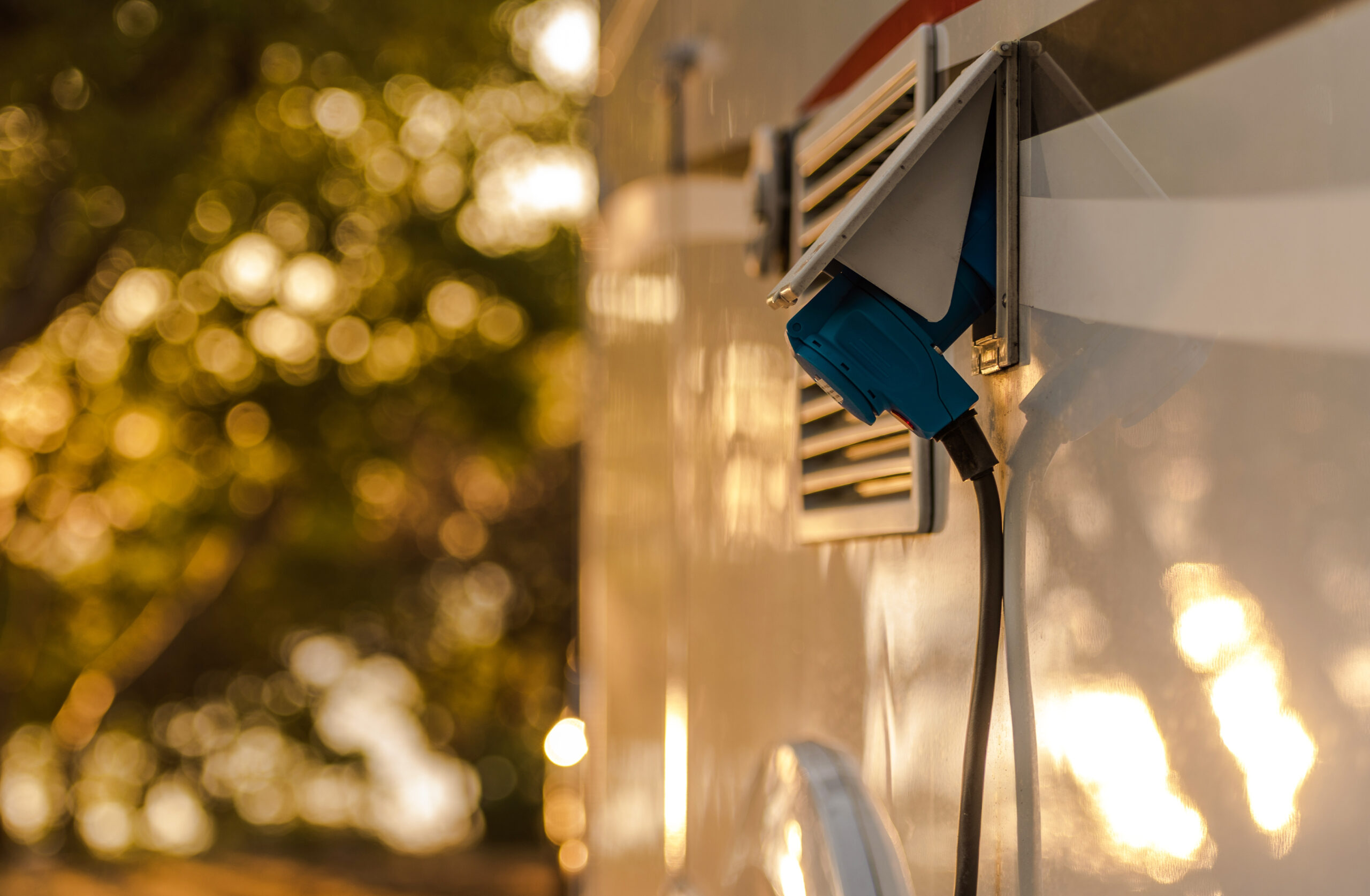
When you arrive at an RV site within an RV park, you’ll likely want to connect your RV to power first thing – after parking, leveling, and stabilizing, of course. This will allow your appliances like your refrigerator and air conditioner to cool while you get the rest of your RV site set up.
First, you’ll need to know a bit about your RV’s electrical system. The electrical hookup for your RV is referred to as shore power, which is any power source provided by the RV park or campground. Read this article on AC vs DC Power Supply and Your RV’s Electrical System written by an RV expert at Camping World for a deeper understanding of how your trailer or RV electrical system works.

30-Amp vs. 50-Amp Shore Power Connection
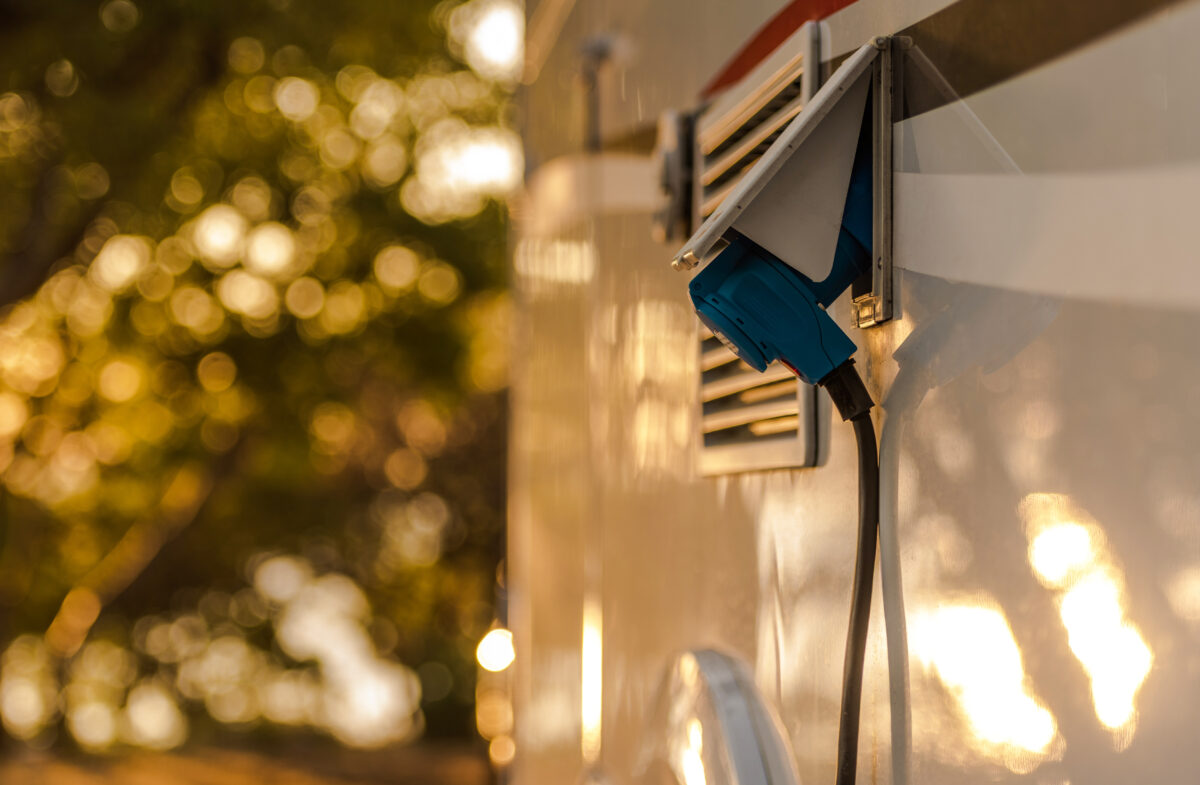
Next, determine whether you have a 30-amp or 50-amp shore power connection. The majority of RVs require a 30-amp or 50-amp connection. To determine which electrical service your RV needs, look on the shore power cord at the number of prongs; 30-amp plugs have three prongs, and 50-amp plugs have four prongs.
It is possible to connect a 50-amp RV into a 30-amp plug or a 30-amp RV into a 110 VAC outlet, but you’ll need to be strategic and limit your power usage to ensure you don’t trip a breaker or an outlet, or, at worst, damage the electrical system in your RV.
RV adapters are available, but you won’t get the full amperage your RV is intended to run on if you connect to a lower-rated power source. Check with the RV park or trailer park first to determine what type of shore power connection they offer.

How to Hook Up Your RV to Electricity at an RV Site
Now comes the fun part: connecting your RV to the power source at your site. There are a few steps we mentioned earlier you’ll want to tick off your checklist prior to connecting your RV to electricity (steps 1-3):
For more tips on connecting your RV to electrical service and for steps on how to disconnect electricity from your RV, read this article by RVShare.

RV Sites for Rent With 30-Amp and 50-Amp Services
If you are looking for your next RV site – whether you’ll be calling it home for the long haul, using it as a launch pad for adventure, or posting up in a location close to new work – check out our available RV sites for rent here. Our RV Parks offer long-term stays and some also offer short-term stays. Monte Christo Communities operates RV parks on the West Coast of the U.S.
Notable RV Parks in the West with Available RV Sites for Rent*
Pepper Ridge RV Park in Reno, NV
Driftwood RV Park in Brookings, OR
Parkway Lakes RV Park in Morgan Hill, CA
Vallejo MHC and RV Park in Vallejo, CA
Pleasant Valley MHC and RV Park in Oroville, CA
*At the time of publishing this article, the RV parks listed had RV spaces available for rent. RV site availability is subject to change.